The Modern, AI-Native Alternative to Keap
TL;DR: Keap is a CRM-first platform with email marketing bolted on. It has powerful but notoriously complex automation, a dated email editor, steep pricing starting at $200+/month, and a learning curve so brutal it spawned an entire ecosystem of certified consultants.
Compare features
A side-by-side look at how Keap (Infusionsoft) and Audienceful compare across the features that matter most.
Keap (Infusionsoft) vs Audienceful: Summary
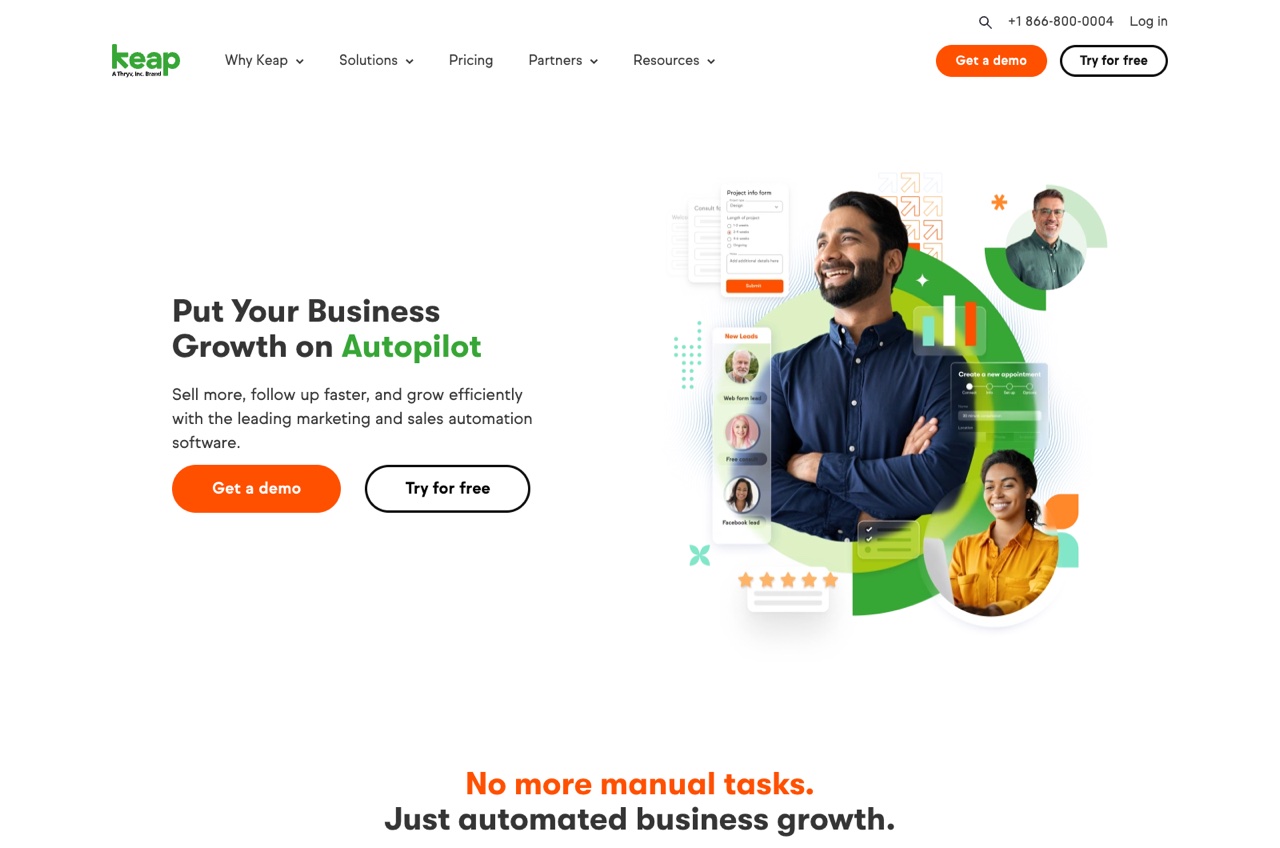
Keap, formerly known as Infusionsoft, is a CRM and sales automation platform that includes email marketing as part of its broader toolkit. It targets small service businesses (coaches, consultants, agencies), and its core strength is its Campaign Builder, a visual automation engine that can handle genuinely complex multi-step sequences. The catch is that Campaign Builder is notoriously difficult to learn, and many businesses end up hiring certified Keap consultants just to get their automations running. The email editor is functional but dated, lacking modern design tools, real-time collaboration, or AI capabilities. Keap includes built-in payment processing for invoicing and quotes, but it has no native integration with modern ecommerce platforms like Shopify. Plans start at $200+/month, making it one of the more expensive options in the space, and that's before factoring in the consulting costs that many users need to get value from the platform. The rebrand from Infusionsoft was partly an attempt to distance from the tool's reputation for complexity.
Pricing: who's cheaper?
Keap (formerly Infusionsoft) starts at $299/month for its base plan with just 1,500 contacts included, and that's the annual price. Monthly billing is even higher. Additional contacts cost around $36 per 1,000, though the per-contact rate changes at higher tiers. Keap also charges a mandatory $500 onboarding fee and $39/month per additional user. For many small businesses, the real cost is even higher: Keap's complexity means most users end up hiring certified consultants at $100–200+/hour to set up their automations. Audienceful's Essentials plan includes everything (automation, AI, collaboration, design systems) with no onboarding fees, no per-user charges, and no consulting required.
Keap vs Audienceful: Pricing Comparison
Estimated Keap pricing compared to Audienceful Essentials at standard contact tiers. Keap's pricing is opaque and starts at $299/month with mandatory onboarding fees, while Audienceful offers transparent, published pricing with no hidden costs.
Monthly price by contact volume
Pricing data sourced from public pricing pages · Last verified October 2026
AI and Collaboration
Summary: Audienceful's editor was built with AI and collaboration as foundational features. Multiple team members can edit the same email simultaneously with live cursors and presence indicators.
Keap has no meaningful AI features in its email editor. There's no AI content generation, no AI image creation, and no smart writing assistance. You're composing emails the old-fashioned way. Collaboration is equally bare: the email editor is single-player, with no real-time co-editing, no live cursors, and no simultaneous presence. Teams working on campaigns in Keap coordinate through screenshots, meetings, and "let me know when you're done" messages.
Audienceful's editor was built with AI and collaboration as foundational features. Multiple team members can edit the same email simultaneously with live cursors and presence indicators. And every plan includes a built-in AI agent that goes far beyond writing assistance: it drafts and edits emails in your voice using your best-performing sends as style references, makes targeted edits to drafts, generates images, restyles entire themes, and can even build audience segments or complete automations from a plain-language brief, with your approval before anything sends. For teams shipping emails regularly, this eliminates the bottleneck that single-player editors like Keap's create.
Email Editor and Design
Summary: Audienceful's unified block editor combines writing speed with deep layout and design control. You get a proper design system with reusable styles and components, so brand consistency is structural ra...
Keap's email editor shows its age. It's a basic drag-and-drop builder that produces functional emails but offers limited design control. There are no design systems: no reusable style tokens, no shared components that update globally across campaigns. Typography, spacing, and layout options are constrained compared to modern email editors. Every email is essentially built from scratch or cloned from a previous send, and maintaining brand consistency is a manual exercise. The editor feels like a feature that was added to a CRM, not a product that was designed for email-first teams.
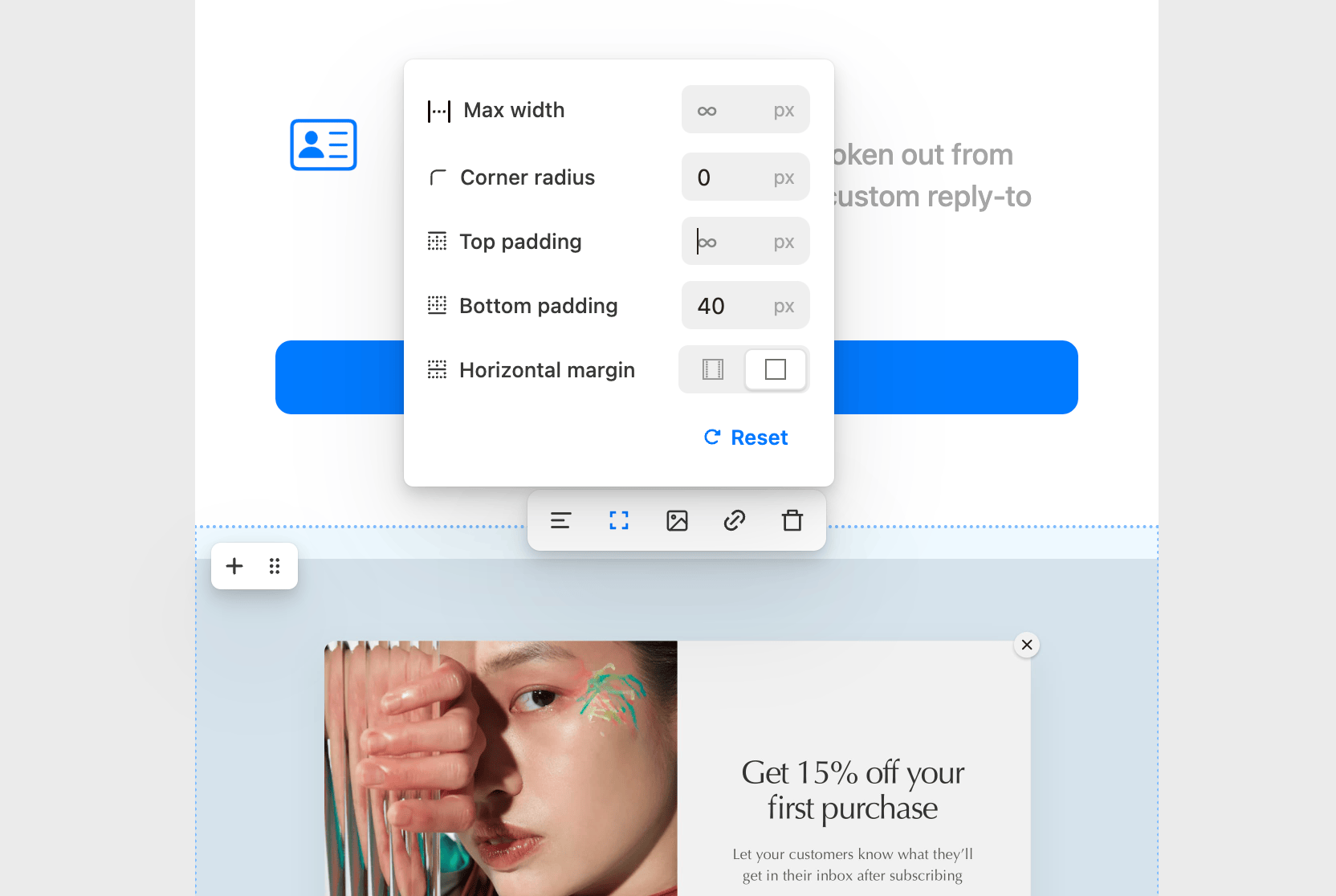
Audienceful's unified block editor combines writing speed with deep layout and design control. You get a proper design system with reusable styles and components, so brand consistency is structural rather than aspirational. The editor gives you fine-grained control over typography, spacing, and layout without sacrificing the speed of a block-based workflow. For teams where email design quality matters (not just getting a message out, but how it looks and reads), the gap between Keap's editor and Audienceful's is a generation.
Automation and Workflows
Summary: Audienceful's automation builder delivers the same depth (branching logic, conditional splits, event-based triggers, behavioral signals) with a modern interface that doesn't require outside help to op...
This is where Keap has historically been strongest. The Campaign Builder, carried over from Infusionsoft, is a visual automation tool that can handle genuinely complex sequences. Branching, conditional splits, goal-based triggers, tagging logic, and multi-step nurture sequences are all possible. The problem isn't capability, it's usability. Campaign Builder is notoriously difficult to learn, and its interface hasn't kept pace with modern automation tools. Many Keap users end up hiring certified consultants at $100-200+/hour just to build their automations, turning what should be a software cost into a software-plus-services cost. For small businesses without technical resources, this complexity is a real barrier to getting value from the platform.
Audienceful's automation builder delivers the same depth (branching logic, conditional splits, event-based triggers, behavioral signals) with a modern interface that doesn't require outside help to operate. You can build multi-step welcome sequences, purchase-triggered flows, and conditional paths based on subscriber behavior without watching hours of training videos or hiring a consultant. Or skip the manual build entirely: describe the workflow in plain language and Audienceful's AI agent assembles the whole automation (trigger, steps, and email bodies) for you to review before it goes live. The automation is powerful enough for sophisticated use cases but accessible enough that the person sending your emails can also build the workflows.
Ready to see the difference?
Free up to 1,000 subscribers.
Integrations and Data
Summary: Audienceful ships with native Shopify and Stripe integrations built in. Purchase data, subscription events, and customer profiles sync directly into segmentation and automation without middleware or t...
Keap includes built-in payment processing for invoicing and quotes, which is useful for service businesses that sell through proposals and consultations. But its integration with modern ecommerce is weak. There's no native Shopify integration, and connecting to platforms like Stripe for subscription-based billing requires workarounds or third-party tools. Keap's ecosystem is oriented toward service businesses: appointment scheduling, pipeline management, proposal tools. If you're running an ecommerce store or a SaaS product, the integrations that matter most are either missing or require middleware.
Audienceful ships with native Shopify and Stripe integrations built in. Purchase data, subscription events, and customer profiles sync directly into segmentation and automation without middleware or third-party connectors. For ecommerce teams, product and order data flows into your automations natively. For SaaS teams, Stripe integration means you can segment on MRR, trigger flows from payment failures or upgrades, and build revenue attribution into your email strategy from day one. Keap's ecosystem covers more service-business tooling, but the integrations that matter for email marketing are deeper and more direct in Audienceful.
Deliverability
Summary: Audienceful approaches deliverability with more technical depth. On top of a manual approval process for new accounts, Audienceful uses dynamic batching to stagger sends based on inbox provider limits...
Keap's deliverability is adequate. It handles authentication basics, manages shared and dedicated IP options, and provides standard bounce and complaint processing. For most senders, emails reach the inbox at acceptable rates. But Keap doesn't offer the kind of granular send optimization that can meaningfully improve inbox placement for high-volume or engagement-sensitive campaigns.
Audienceful approaches deliverability with more technical depth. On top of a manual approval process for new accounts, Audienceful uses dynamic batching to stagger sends based on inbox provider limits and engagement signals, avoiding the bulk-blast pattern that can trigger throttling. Smart retry with optimized backoff handles soft bounces and temporary deferrals automatically, re-attempting delivery at intervals designed to maximize inbox placement. Both platforms get emails delivered; Audienceful's approach gives you more control at the send-optimization layer.
Who Each Tool Is Best For
Summary: Audienceful is built for teams who want best-in-class email marketing without wrestling with CRM complexity. If you care about the email creation experience (a modern editor with real-time collaborati...
Keap is the right choice if you're a service-based small business (a coaching practice, consulting firm, or agency) that needs CRM, pipeline management, invoicing, and email marketing in one platform, and you have the budget and patience (or consulting budget) to master Campaign Builder. If your business runs on appointments, proposals, and multi-touch sales sequences rather than ecommerce transactions, Keap's feature set aligns with that workflow.
Audienceful is built for teams who want best-in-class email marketing without wrestling with CRM complexity. If you care about the email creation experience (a modern editor with real-time collaboration, deeply integrated AI, and proper design systems) and you need powerful automation that doesn't require a consultant to set up, Audienceful is the sharper tool. It's especially strong for ecommerce brands and SaaS teams who need native Shopify and Stripe integrations, behavioral segmentation, and revenue attribution, and for anyone who's looked at Keap's learning curve and pricing and decided they'd rather spend their budget on marketing, not consulting.
Frequently asked questions
Is Audienceful better than Keap (Infusionsoft)?
For ecommerce brands and SaaS teams, yes. Audienceful offers a modern block editor, native Shopify and Stripe integrations, and deliverability infrastructure designed for scale. Keap (Infusionsoft) has strengths in other areas; read the full comparison above to see the detailed breakdown.
Can I migrate from Keap (Infusionsoft) easily?
Yes. Export your subscriber list as a CSV from Keap (Infusionsoft) and import it directly into Audienceful. We handle deduplication, tagging, and validation automatically. Most teams complete their migration in under 15 minutes.
Which is cheaper, Audienceful or Keap (Infusionsoft)?
Audienceful is typically significantly cheaper. The free plan includes 1,000 subscribers with all features. At scale, Audienceful is typically 30–50% cheaper because we don't charge for unsubscribed or inactive contacts.
Does Keap (Infusionsoft) have better automation?
Keap (Infusionsoft)'s automation is solid. Audienceful matches it on branching logic and adds native ecommerce triggers from Shopify and Stripe, so you can automate based on real purchase data without third-party middleware.
Which platform is better for ecommerce?
Audienceful. Native Shopify and Stripe integrations mean purchase data flows directly into segmentation and automation, with no middleware required.
How do deliverability rates compare?
Audienceful uses dynamic batching with per-provider throttling and smart retry logic, which typically results in higher inbox placement, especially for larger sends.
Migrate from Keap (Infusionsoft) in less than 5 minutes
Import your contacts, templates, and automations. We handle the hard parts.
Start Free MigrationRelated comparisons
Audienceful vs ActiveCampaign
ActiveCampaign is a marketing automation and CRM platform known for its powerful automation builder, but its sprawling feature set, dated email editor, and confusing pricing tiers make it a complex choice for teams that just want great email marketing.
See comparison →Audienceful vs Amazon SES
Amazon SES is raw email sending infrastructure from AWS. It's incredibly cheap at $0.10 per 1,000 emails, but it provides zero marketing features, no editor, no automation, and no segmentation, requiring you to build everything yourself on top of a sending pipe.
See comparison →Audienceful vs AWeber
AWeber is one of the oldest email marketing platforms, launched in 1998. It's simple and beginner-friendly but has barely evolved, offering only basic autoresponders, a dated editor, no AI, no real-time collaboration, and no meaningful ecommerce integrations.
See comparison →Stop searching.
Start emailing.
Your first 1,000 subscribers are totally free.
Start Free