ConvertKit (now rebranded as Kit) helped define creator email marketing. It's a capable platform, but plenty of creators go looking for something else: the editor feels dated next to modern writing tools, pricing ramps up quickly as your list grows, and the design options are limited. Here are the best ConvertKit alternatives in 2026.
What to look for in a ConvertKit alternative
- A better writing experience: if you publish often, the editor is where you live.
- Design control without fighting rigid templates.
- Automations and segmentation that stay approachable.
- Fair pricing as your subscriber count climbs.
- Ownership: your own domain, your list, your archive.
- Works with your AI assistant. A built-in AI agent, plus an MCP server so Claude or ChatGPT can build audiences, write and schedule emails instead of only drafting copy. See the best email marketing MCP servers.
The best ConvertKit alternatives
Audienceful
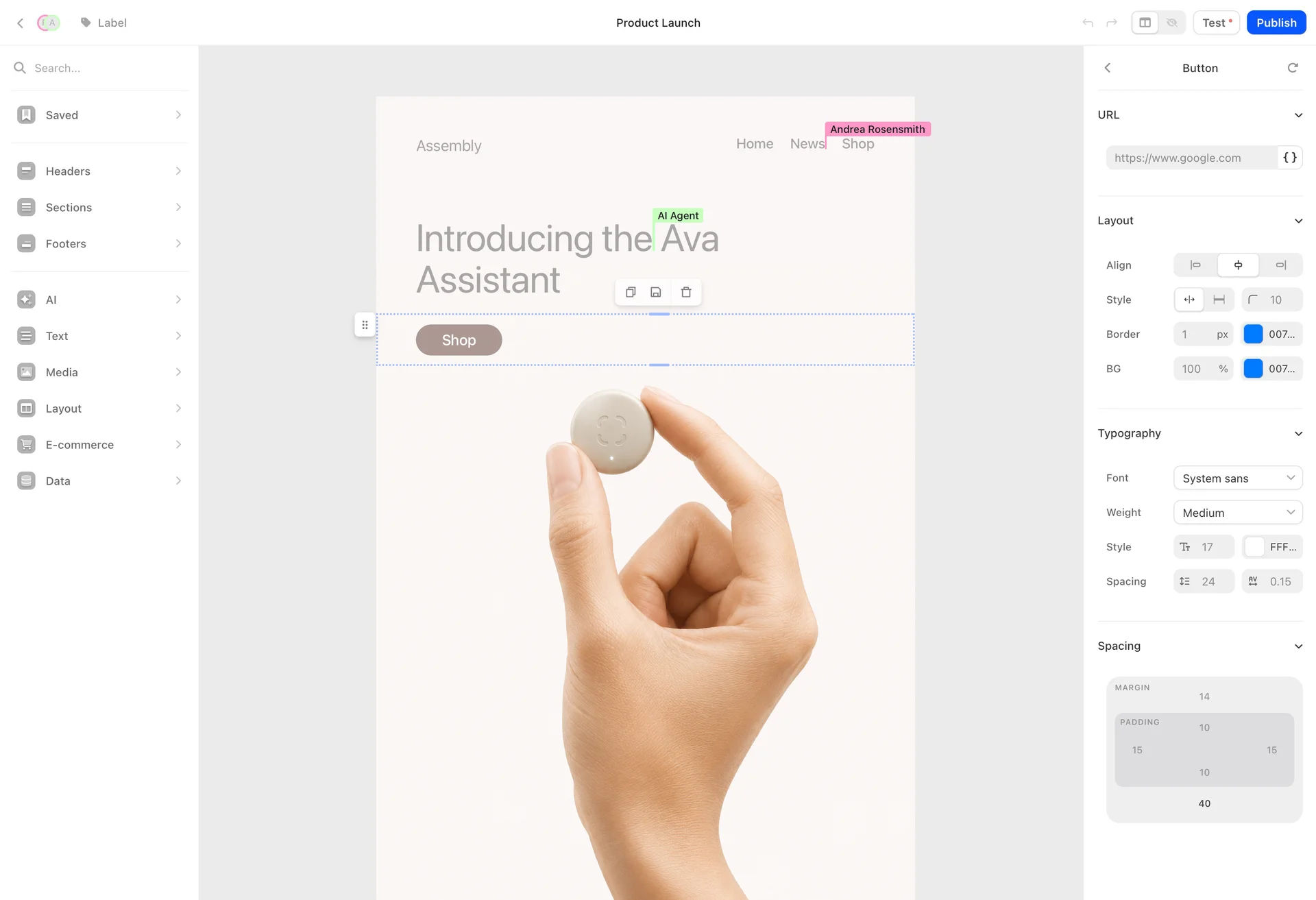
Audienceful gives creators a writing-first, Notion-style editor that's genuinely a pleasure to publish from, backed by a full theme system for on-brand design (dark mode included). You get the creator essentials: automations, segmentation, forms, and a subscriber preference center so readers can pick which of your newsletters they want, plus a hosted archive that turns every issue into an SEO-indexed page.
It's also team-friendly in a way Kit isn't, with a real-time collaborative editor, and it stays cheaper as you scale, with a free plan up to 1,000 contacts. See the full Kit comparison →
It's built for AI, too: a built-in AI agent and an MCP server let you build audiences, write emails and schedule sends from the app or from Claude and ChatGPT, with your approval before anything goes out.
Best for: creators who want Kit's audience tools with a far better writing and design experience.
Beehiiv
Beehiiv leans into newsletter growth and monetization: referrals, a recommendation network, and ad tools. Strong for operators chasing scale and ad revenue. Its MCP server drafts posts from Claude or ChatGPT, but you press send in beehiiv (details). Beehiiv vs Audienceful →
MailerLite
MailerLite is an affordable, well-rounded option with a friendly builder, automations, and landing pages. A great value pick. Its MCP server, still in beta, lets Claude and ChatGPT draft and send campaigns after you confirm, though sending through it needs a paid plan (details). MailerLite vs Audienceful →
Substack
Substack is the easiest way to start a paid newsletter, at the cost of ownership and a 10% revenue cut. Good for beginners, limiting as you grow. Its official MCP server is read-only and limited to Bestseller publications (details). Substack vs Audienceful →
Flodesk
Flodesk is design-forward with beautiful templates and flat pricing. Best for creators who prioritize aesthetics over deep automation. Flodesk vs Audienceful →
Mailchimp
Mailchimp is the household name with a big feature set, but a cluttered editor and steep pricing at scale. Familiar, if not beloved. Its Claude and ChatGPT connector plans campaigns but doesn't send them (details). Mailchimp vs Audienceful →
Switching from ConvertKit / Kit
Export your subscribers, tags, and custom fields from Kit as a CSV, then import them into your new platform. Audienceful's migration guide brings your tags and fields across and verifies every address on the way in. Point your domain at the new tool, recreate your sequences, and your audience comes with you intact.
Kit is solid, but if the editor and pricing are what's holding you back, there are better-fitting homes for your newsletter.